
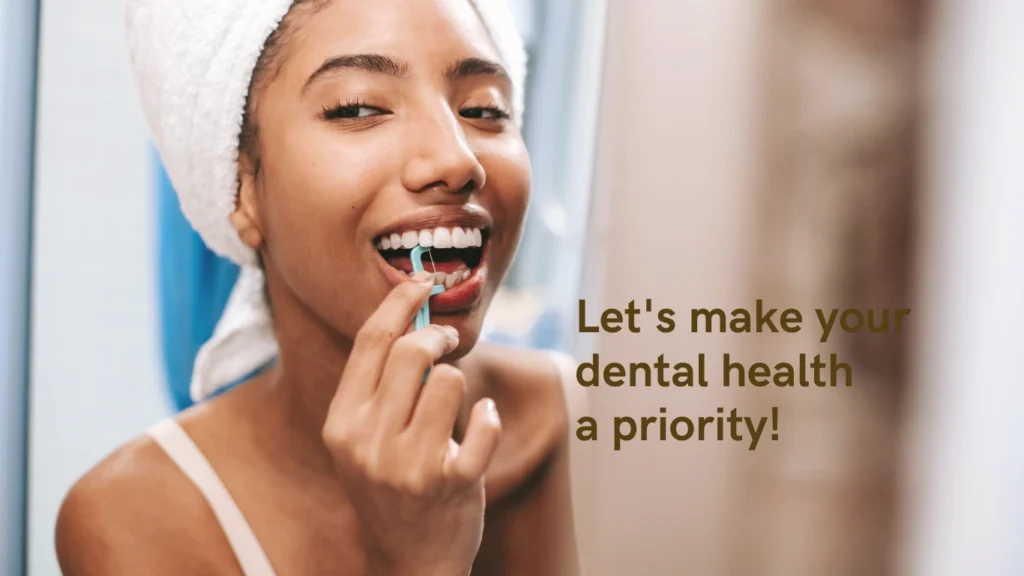
I’m not even 30, and I’ve already lost three of my premolars. One of them? Very recent. And the most frustrating part? I brush my teeth twice every single day. So yeah, this isn’t one of those “I ignored my dental health” stories. Or at least… that’s what I thought.
Turns out, I was doing the basics right, but missing what actually matters. This blog is basically everything I wish someone had told me earlier, so maybe you won’t end up learning it the hard way, the way I did.
Why Brushing Twice a Day Is Not Enough
What Your Toothbrush Misses
For the longest time, I believed brushing twice a day = good dental hygiene. That’s it. End of story. But here’s what no one tells you: Your toothbrush only cleans about 60% of your tooth surfaces.
The remaining 40%? That’s the space between your teeth. And if you’re not cleaning that, you’re basically letting food sit there and rot. Daily.
Flossing Is Not Optional (I Learned This Too Late)
What Happens When You Don’t Floss
I’ll be honest: I had no real idea what flossing actually does. It always felt like one of those “extra” things people in dental ads do. Not essential. Not urgent. Definitely not something I needed.
But here’s my reality
- My teeth are slightly misaligned
- Food gets stuck in between quite often
- Brushing alone never fully removed it
Food Traps, Bacteria, and Slow Damage
And that trapped food? It becomes bacteria. Those bacteria? Slowly damages your teeth and gums. Flossing is literally the only thing that can reach those tight spaces. And I only realized this after the damage was already done.
Your Diet Is Quietly Ruining (or Saving) Your Teeth
I used to think cavities were about not brushing properly. Turns out, what you eat, and more importantly, how often you eat, plays a much bigger role than we realize.
The “Frequent Snacking” Trap
It’s not just sweets. It’s the constant nibbling. Every time you eat, your mouth becomes slightly acidic. And your teeth need time to recover from that acid attack.
But if you’re someone who
- Snacks every 1–2 hours
- Sips coffee or sugary drinks throughout the day
- Eats something “small” but frequently
…your teeth are basically under continuous attack. No recovery time. No break.
Sticky Foods Are Worse Than Sweet Foods
Here’s something I wish I knew earlier: It’s not always about how sugary something is.
It’s about how long it sticks to your teeth.
Things like
- Biscuits
- Chips
- Dried fruits
- Even “healthy” snacks like granola
They cling to your teeth and sit there for hours, especially if your teeth are slightly misaligned like mine. Which means more time for bacteria to do their thing.
Simple Habits That Protect Your Teeth
I’m not going to say “stop eating everything you enjoy”—that’s unrealistic. But small changes make a big difference
- Drink water after meals (simple, underrated)
- Try to keep fixed meal times instead of constant snacking
- Avoid brushing immediately after acidic foods (it can do more harm than good)
- Be extra mindful if food tends to get stuck in your teeth
Dental Visits Are Not Just for Pain
If you’re anything like me, you probably only think of going to a dentist when something hurts. That’s exactly the problem. By the time there’s pain, the damage is already serious.
The Risk of Waiting Too Long
I delayed dental visits because
- It’s not hurting yet.
- I’ll go later.
- It’s probably nothing serious.
Spoiler: it’s never “nothing.”
What Dentists Catch Early
Routine dental visits (every 6 months or so) can
- Catch cavities early (before they turn into extractions)
- Remove tartar that brushing can’t
- Identify alignment issues or gum problems early
Basically, they save you from bigger, more painful, more expensive problems later.
The Myths I Believed (And Paid For)
Let’s talk about the things I genuinely believed were “good enough.” Because a lot of us are walking around with the same assumptions.
Myth 1: Brushing Twice a Day Is Enough
This one hurts to admit. Brushing is essential, but it’s only one part of the system. Without flossing, you’re leaving a huge portion of your teeth unclean.
Myth 2: No Pain Means No Problem
Probably the most dangerous belief. Tooth decay is slow and silent at first. Pain usually shows up late in the game.
Myth 3: Only Sugary Foods Cause Damage
Nope. As we talked about
- Sticky foods
- Frequent snacking
- Even some “healthy” foods
…can be just as harmful if oral hygiene isn’t on point. Learn more about what causes cavities here.
Myth 4: Tooth Problems Just Happen
I used to think some people just have “bad teeth.” Now I realize that it’s mostly habits, awareness, and timing. And unfortunately, awareness often comes after damage.
How to Prevent Tooth Loss in Your 20s
What I Wish I Knew Earlier
If this entire experience can be boiled down to a few simple takeaways, it would be these
- Flossing is not optional—it’s essential
- Brushing alone is not enough
- Your eating habits matter more than you think
- Dental visits should be preventive, not reactive
- Small neglect over time leads to big consequences
A Slightly Uncomfortable Ending
I didn’t lose my teeth because I was careless. I lost them because I was unaware. And that’s what makes it a little unsettling because a lot of us are probably in the same place right now, thinking we’re doing enough.
If this blog makes you pick up a floss tonight, or book that delayed dental appointment…
…it’s already done its job.