
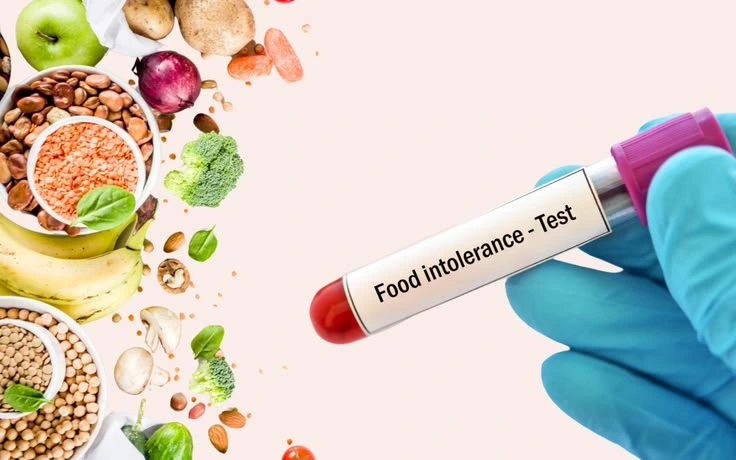
TL;DR
- Food intolerance often isn’t a one-time diagnosis; it can quietly build up over the years, triggered by age, hormones, stress, or simply a changing gut.
- A one-time IgE profile test gives a real, evidence-based starting point instead of years of guessing food by food.
- Testing isn’t the final word, as your body can develop new reactions
- The goal isn’t to eat a smaller life, but a different one, and real substitutes exist: tofu for paneer, soy for mushrooms, cashew/peanut for coconut, zucchini or pumpkin for brinjal, and millets for wheat.
- Managing food intolerance is a form of self-care, not high-maintenance behaviour, as paying attention to your body is a skill most of us were never taught.
It started so naturally; I didn’t even clock it as the beginning of anything. I was a teenager, and coconut, in chutneys, in sweets, in that one aunty’s amazing curry, started making me feel unwell. I brushed it off, thinking of it as just one weird ingredient my body doesn’t accept, no big deal.
Then it wasn’t just coconut. Mushrooms joined the list a few years later. Then brinjals. Then, of all things, lactose items, something I’d taken my entire life without a second thought. Every year or two, my body seemed to quietly add a new name to a list I never agreed to.
If you’re nodding along right now, I want you to know this isn’t just you being “sensitive” or dramatic. This is a genuinely common experience of food intolerance as it tends to compound with age rather than stay still, and there are real, practical ways to live well with it instead of just white-knuckling your way through every meal.
Why the list keeps growing
Nobody quite tells you this when you’re young, but food intolerance isn’t usually a one-time diagnosis you get and then manage forever after. For a lot of people, it accumulates like a new reaction that shows up every few years, sometimes triggered by nothing more dramatic than your body simply changing with age, hormones, gut health, or stress.
It’s genuinely exhausting to keep discovering this one uncomfortable evening at a time. You eat something you’ve had a hundred times before, and suddenly you’re doubled over wondering what changed. The honest answer is: you did. Your gut does too, over the years, and it doesn’t always send you a memo first.
The one test that gave me actual answers

For years, I was figuring out my triggers the hard way, which was trial and error, and a lot of unpleasant evenings. What genuinely changed things for me was finally getting a full IgE profile test done, all at once, instead of guessing food by food, and honestly, if you suspect a food intolerance of your own, this is where I’d start too.
I’d genuinely recommend this to anyone who feels like their food list has been quietly growing for a while. It doesn’t remove the need to pay attention to your own body, but it gives you a real, evidence-based starting point instead of years of confused guessing.
Why the test isn’t the whole story
Then, there’s something I learned slowly, though: a test result is a starting point, not the final word. You still have to listen to your own body, because food intolerance doesn’t always follow the textbook.
For me specifically, I’m lactose intolerant, and for years, that meant milk was a hard no, but paneer and curd were completely fine. That’s not unusual, by the way; the fermentation process in curd and the way paneer is made changes how much lactose actually remains, so a lot of lactose-intolerant people can tolerate them even when milk itself causes trouble.
But over the last couple of years, even paneer started causing me problems. Nothing in my test results changed. My body just did, in the way it seems to keep doing.
So, my honest advice is this: get the testing done, because it’s genuinely useful and saves you years of guessing. But don’t treat it as a document that never needs revisiting. Keep noticing how your body responds now, not just how it used to respond. Bodies aren’t static, and neither is what they can handle.
Finding what actually replaces what
The hardest part of all this, for me, hasn’t been giving things up. It’s been the exhaustion of feeling like food has slowly turned into a minefield to navigate every single day.
What’s helped the most is stopping to actually find real substitutes, rather than just subtracting foods and eating around the gap.
- If paneer became difficult, tofu stepped in almost seamlessly, as it has a similar texture, a similar way of soaking up flavour, and it works in most of the same dishes.
- If mushrooms are off the table, soy in the form of chunks or tofu often fills that same savoury, umami gap in a curry or stir-fry.
- If coconut is a problem in South Indian or Thai-style cooking, cashew paste or a bit of peanut can often recreate the richness without the reaction, depending on what your body tolerates.
- If brinjal is out, zucchini or pumpkin can often be swapped into the same recipe with very little change to the dish itself.
- And if wheat ever becomes an issue, millets like jowar, bajra, or ragi are worth exploring.
The mindset shift that helped me most was this: I’m not eating a smaller life. I’m just eating a different one, and there’s usually a version of the dish I love that my body can still say yes to.
The point of all of this
If there’s one thing I want you to take from this, it’s that managing a food intolerance doesn’t have to mean a shrinking life. It can just mean a more informed one, like a kitchen where you know your own body a little better than you did last year, and a plate that still feels like abundance instead of a minefield.
If a long, gentle self-care routine still leaves your body feeling “off”, this pairs nicely with something I wrote a while back on slow mornings and building a gentler pace into your day — because looking after your gut is really just another form of that same quiet care.
Get the testing done. Keep listening to your body even after the test. Find the swap instead of just the gap. And always remember, you’re not high-maintenance for needing to know all this. You’re just paying attention, and that’s a form of self-care most of us were never taught.
This article shares personal experience and general information, not medical advice. Please consult a doctor, allergist, or nutritionist before starting any testing, supplementation, or significant dietary changes, which should only be taken under medical guidance.
Author Bio: