
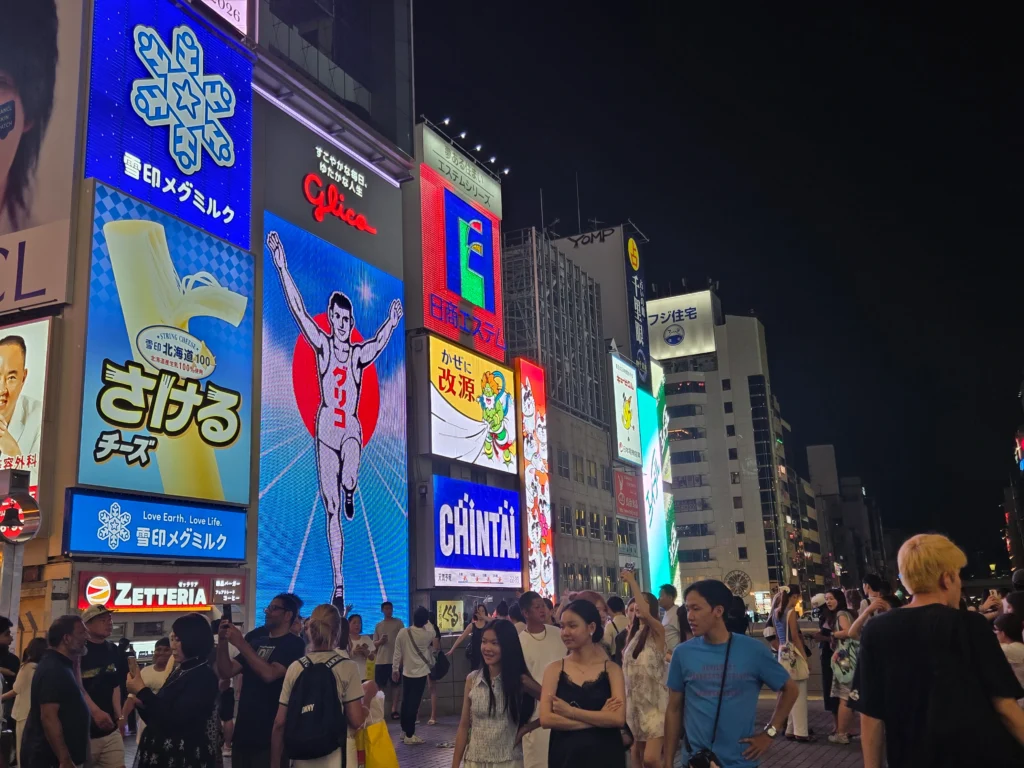
Let’s get the obvious out of the way first: July in Japan is not the “recommended” time to visit. It’s hot, it’s humid, and by 11 AM you’re already sweating through your third outfit of the day. But here’s the thing — we still had one of the best trips of our lives. Why? Because we went in shoulder season and dodged the baffling crowds that swallow Japan every spring and autumn.
Was the heat brutal on some days, especially when we had 10 sights lined up? Absolutely. But we came out the other side with a trip that felt earned, not endured. Here’s exactly how we pulled it off.
1. Carrying a Portable Fan and an Umbrella
This one’s a no-brainer, but it’s also non-negotiable. A portable neck fan was probably the single best ₹2000 we spent on this entire trip. You’ll see half of Japan carrying one too — locals aren’t shy about staying cool, and neither should you be. Pair that with a UV umbrella (not just any umbrella, get one with UV coating) and you’ve basically built yourself portable shade. We used ours to block direct sun while queuing for temples, waiting for a bus on open platforms, and just walking between spots when there wasn’t a tree in sight. It sounds like a small thing until you’re the one person in the group without one, wilting.
2. AC Spaces at Noon, Open Areas in the Evening
This was our biggest strategy shift, and it’s the one that actually saved the trip. We flipped our schedule around the sun instead of around “typical” tourist hours.
Sunrise in Japan in July is stupidly early — like 4:30 AM early — so there was no realistic way to “beat the heat” by going out early. Instead, we let ourselves sleep in through the morning. Genuinely, sleep in. You’re walking an average of 20,000 steps a day here; your body needs that recovery time, and pushing through it just means you crash harder later.
Once we were up, we planned indoor, air-conditioned activities for the peak heat hours — Team Lab art studios, museums, shopping arcades, indoor markets, department stores, restaurants, anything with four walls and AC. Then, as the sun started dipping in the evening, we moved outdoors: parks, shrines, riverside walks, night markets. We did all our walking on foot and relied entirely on local transport (trains and subways), including the hike up to the top of Fushimi Inari Taisha — which, done in the cooler evening light, was honestly one of the best decisions we made on this trip.
3. “Eat Like a Local” Didn’t Work for Us
Okay, this one stung a little. We don’t eat beef or pork, and unfortunately, those are foundational to a huge chunk of Japanese cuisine. So the whole “just walk into any local spot and eat what they serve” approach was basically off the table for us.
Enter HappyCow — the app became our lifeline. But I’ll be honest, our system was inefficient at first. We’d spot a few restaurants nearby, walk in, ask if they had anything besides pork or beef, get a no nine times out of ten, and only then pull up HappyCow to find something that actually worked. That back-and-forth ate up a lot of time we could’ve spent actually eating.
If I’m being real, I went in with a lot of food expectations. I’d watched every glossy Japan food video on the internet, I’d watched Food Wars, I was ready to have a full culinary awakening. The no-meat restriction took a lot of that off the table, and that was a genuine bummer. My honest advice: if you have dietary restrictions in Japan, build your HappyCow shortlist before you leave your hotel each day, not after you’ve already struck out three times on the street.
4. Don’t Miss the Desserts
At home, I count calories. In Japan? Not a chance. When you’re walking that much every single day, your body earns every bite of mochi, every convenience store dessert, every soft serve you pass by. We kept walking even when our feet were screaming at us to stop, and honestly, the desserts were half the reason we kept going.
The vending machines deserve their own shoutout here. We were drinking 3-4 vitamin-infused drinks a day just to stay hydrated and functional in that heat. Could we have taken taxis instead of walking everywhere? Sure. But taxis in Japan are hella expensive, and local trains and subways will get you almost anywhere for a fraction of the cost. Walk more, spend less, eat more dessert — that was basically our unofficial motto.
5. Learn a Few Common Japanese Phrases
You don’t need to be fluent, but knowing a handful of basics goes a long way:
- Konnichiwa — hello
- Arigatou gozaimasu — thank you
- Sumimasen — excuse me / sorry (this one is doing a lot of heavy lifting; use it constantly)
Locals visibly appreciate the effort, even if your pronunciation is rough. It also just makes day-to-day interactions — ordering food, asking for directions — smoother and warmer.
6. Keep a Translator App Handy
Very few locals outside major tourist hubs speak conversational English, so a translator app isn’t optional — it’s essential. We leaned on ours constantly, especially for menus without pictures, transit announcements, and any time we needed to explain the no-pork-no-beef situation in more detail than our phrasebook Japanese could handle. Google Translate’s camera feature, in particular, was a lifesaver for menus.
The bottom line: Shoulder season Japan in July isn’t the postcard version of the trip — it’s hotter, sweatier, and requires more planning around your body’s limits. But if you respect the heat instead of fighting it, skip the crowds, and build in real recovery time, you can absolutely do Japan right without waiting for cherry blossom season.