
There was a time when dinner felt incomplete without roti at home. For most Indian households, chapati or wheat roti is more than just food. It is routine, comfort, and one of the most common staples served almost every night. The problem? I never really liked it.
As a kid, I could never explain why. I just knew that I wasn’t excited about eating wheat rotis. While everyone around me seemed perfectly fine with them, I would eat mine with very little interest simply because there was no alternative at the dinner table. At that time, my entire family thought I was just being picky.
Turns out, maybe my taste buds were trying to tell me something, maybe they wanted me to bring back the food our ancestors enjoyed: millet roti.
How Millets Slowly Became Part of My Diet
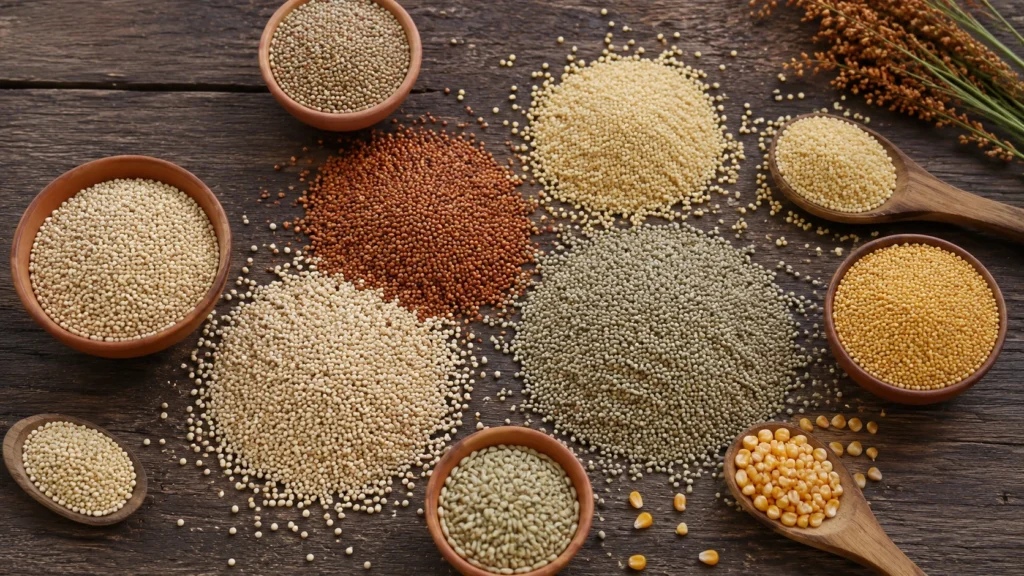
As I grew older and started paying more attention to nutrition, I kept hearing people talk about millets and their health benefits. At first, I ignored the trend because millet-based foods sounded like one of those “healthy but boring” options people force themselves to eat. But eventually, I gave sorghum millet (known as jowar in Hindi) rotis a try, and then pearl millets (aka bajra) and eventually maize (makai) rotis. And surprisingly, I loved them all.
So, as part of my regular diet, I started alternating between these three in place of wheat rotis:
- Jowar roti (Sorghum millet)
- Bajra roti (Pearl Millet)
- Maize roti (Makai)
What began as an experiment slowly turned into a habit.
Why I Prefer Millet Rotis Over Wheat Rotis
The biggest surprise for me was the texture. Millet rotis feel much lighter and less chewy compared to wheat rotis. That may not matter to everyone, but for someone with dental issues like me, it makes a huge difference. Eating suddenly felt less tiring and more enjoyable.
Over time, I also noticed that millet rotis kept me fuller without making me feel too heavy afterward. And honestly, they taste better to me. Not in a fancy restaurant kind of way. Just in a simple, comforting, homemade way.
The Nutritional Side of Millets
One of the reasons millets have become so popular recently (that even the government is promoting) is because they are naturally rich in nutrients. Different types of millets offer different benefits:
- Jowar is known for being high in fiber
- Bajra contains iron and magnesium
- Maize provides energy and has a naturally sweet taste
Many people also prefer millets because they are considered easier to digest compared to heavily processed wheat products. Of course, no single food is magical. But replacing one daily staple with a slightly more nutritious option can make a noticeable difference over time.
You Don’t Always Need Fancy Alternatives
One thing I have realized through this journey is that healthier eating does not always require expensive superfoods or complicated recipes. Sometimes, the solution is incredibly simple and found in recipes treasured by our ancestors.
I spent years assuming that if I wanted an alternative to wheat roti, it had to be something exotic or difficult to prepare. But all I really needed was another traditional Indian staple that had been around for generations. Millets were never “new.” We just stopped paying attention to them for a while.
I am yet to try the other millet varieties like ragi (finger millet), barnyard millet, and prosomillet, but I have a feeling that I will end up liking them as well. If you have tried them, do let me know how you prepare them and how they taste.
Final Thoughts
My obsession with millets did not begin because I wanted to follow a health trend. It began because I genuinely disliked wheat rotis and accidentally discovered something that suited me better in terms of taste, texture, and nutrition. And honestly, that is probably the best kind of healthy eating habit — the kind you actually enjoy enough to continue.