
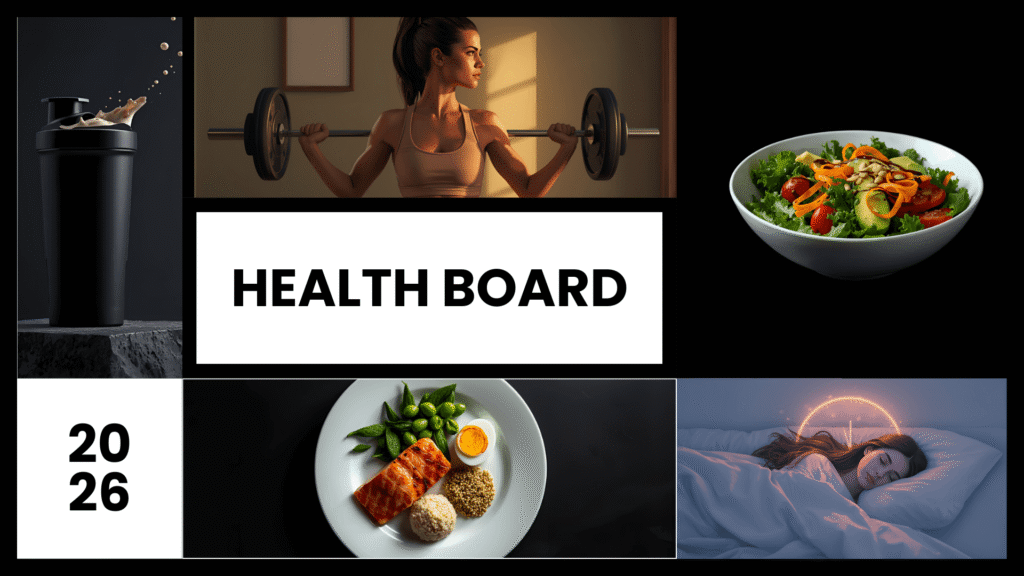
One morning, social media is filled with detox drinks. Next, it’s all about HIIT workouts that promise to transform your life in just a few days. Classic clickbait.
But the irony is, that’s exactly what we’re drawn to—quick, sweeping changes without stopping to question whether they actually last.
Your body, however, works differently. It thrives on small, repeated actions that quietly shape your lifestyle over time.
Consistent sleep. Regular movement. Balanced meals. Mindful portions.
These are the habits that actually stick.
And the good news? You don’t need to overhaul your life overnight. Small, simple swaps are enough—if you repeat them consistently.
Why Small Daily Habits Matter More Than Quick Fixes
Quick fixes rely on motivation, whereas habits rely on systems. Which means, motivation fades, but systems don’t.
When you build small daily habits:
- You reduce decision fatigue
- You make healthy choices automatic
- You create consistency without burnout
The goal isn’t perfection. It’s repetition.
1. Building Simple Daily Routines
Start your day with a simple morning sequence: wake up, drink warm water, stretch for 30 minutes, and eat a high-protein breakfast. This small routine will set the tone for the entire day.
Conversely, unplanned mornings often lead to rushed and chaotic choices, where we end up ordering that sugary latte to go, skipping meals, and exercise hardly ever makes it to our routine. To avoid that, you need to build ‘anchor habits’ (small, consistent behaviors you attach to existing routines) rather than chasing perfection. For example, pair toothbrushing with ten to fifteen squats, or follow your evening wash-up with a two-minute journaling. Over weeks, these anchors become reliable scaffolding for better habits.
2. Why Sleep Is the Foundation of Health
Sleep is often the first thing we sacrifice—and the one thing that affects everything else. We easily trade it off for a late-night party, a long drive, or even for some chit-chat with a stranger over the internet. Well, socialising and sacrificing sleep occasionally isn’t that bad, but adopting it as a way of life, and skipping those golden hours of sleep, isn’t something we should strive for.
When your sleep is off, hunger increases, cravings go up, stress levels rise, and motivation drops. Well, it doesn’t stop there. Poor sleep also pushes you toward high-calorie comfort foods and makes movement feel harder than it should. To avoid this long list of issues, you should prioritize consistent bed and wake times, even on weekends.
3. Making Smarter Food Choices Daily
The problem with a strict calorie count is that you will remain forever hungry, and your mind will forever be dreaming of different food items. Rather than fixating on strict calorie counts, you should focus on food composition and predictable patterns. Including a protein source, a vegetable, and a healthy fat at each meal can help you regulate blood sugar and satiety.
Swap one refined-carb item per meal for a whole-food alternative: brown rice for white rice, or a whole fruit instead of a Diet Coke. Keep easy, healthy options available and visible, like boiled eggs, hummus, and carrot sticks, or roasted chickpeas, so the path of least resistance leads to better choices. Remember: small, repeatable swaps are less exhausting and more sustainable than wholesale dietary overhauls.
4. Simple Ways to Move More Every Day
Movement doesn’t mean buying a gym subscription only to show up for a day or two. I have countless friends wasting their gym membership because signing up for it is much easier than showing up for it. Swap it for frequent short bouts of activity, such as walking while on a phone call, taking stairs instead of elevators, and brief bodyweight sets between chores (using water bottles, maybe), depending on what’s viable for you.
You need to aim for movement that fits your life and lifestyle: a 10-minute walk after lunch, two-minute standing breaks every hour, or five-minute evening mobility work. These micro-habits protect posture, circulation, and metabolic health. Over time, they also make more structured exercise feel less intimidating.
5. How Your Environment Shapes Your Habits
Our surroundings shape our behavior silently. Where you place snacks, the lighting in your kitchen, and your phone’s notification habits all influence decisions. Make healthy choices easier by arranging your environment deliberately: store fruit on the counter, keep water bottles within reach, hide or remove irresistible processed snacks, and create a dedicated space for workouts. Even small sensory changes like better lighting for food prep, a pleasant playlist for walking, can increase the likelihood that good intentions become actions.
The Compound Effect of Small Habits
No habit works in isolation.
They reinforce each other.
- Better sleep improves food choices
- Better nutrition increases energy
- More movement improves sleep
This is the compound effect in action.
Start Small
Pick one habit from each area:
- One sleep improvement
- One food swap
- One movement habit
- One environmental change
Stick to these for 3–4 weeks.
That’s how habits are built—not through intensity, but through consistency.
Practice Consistency Over Perfection
Lifestyle change is not a short-term project. It’s a long game.
Rigid rules often lead to burnout, whereas small, flexible habits lead to sustainability.
Remember that you don’t need to do everything perfectly; you just need to keep showing up.
Celebrate small wins:
- Choosing a better meal
- Going for a short walk
- Sleeping on time
These may feel minor, but they are the foundation of long-term well-being.
Summing It Up
Big transformations don’t come from extreme actions.
They come from small, repeated choices made every single day.
Start small. Stay consistent.
And let your habits do the heavy lifting.