
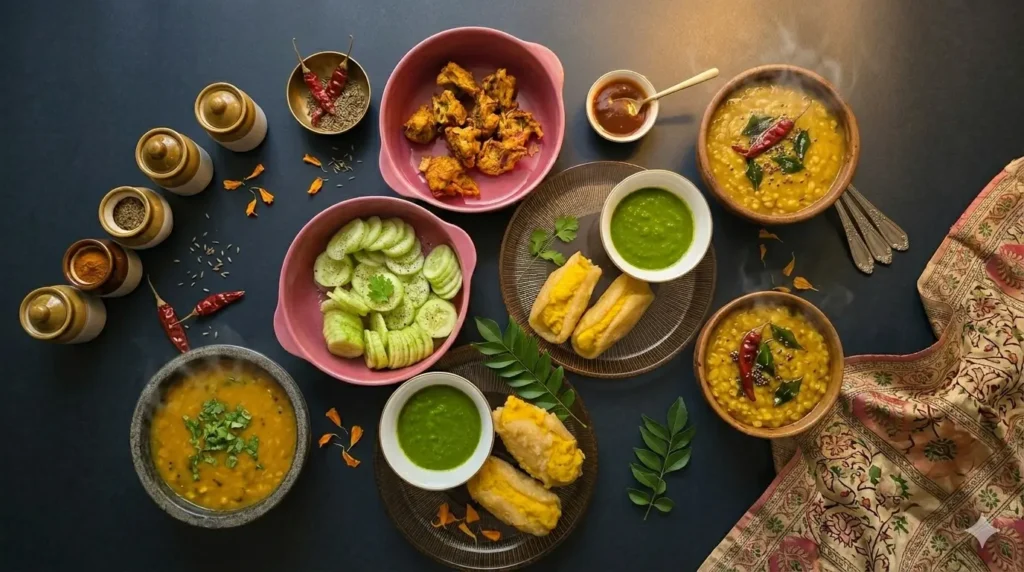
Have you been eating dal, believing it’s protein-rich and enough on its own to meet your daily protein needs? Or do you know people around you who think that way?
Because I certainly do.
I’ve seen so many of my family members and friends assume that having a bowl (or even two) of dal is enough to “cover” their protein requirements. But is that really the case?
Let’s find out.
How Much Protein Does Dal Actually Have?
Dal does contain protein—there’s no doubt about that. But the quantity is often misunderstood. According to nutrition data from reputable medical sources, 100g of cooked lentils contains about 9g of protein and roughly 20g of carbohydrates (Medical News Today, based on USDA data).
So if you’re eating:
- 200g cooked dal → ~18g protein
- 250g cooked dal → ~22g protein
That sounds much better than what most people assume.
But Here’s What Most People Miss: Dal is Still Carb-Dominant
Even though dal has protein, it’s not a “protein-first” food. It’s actually carb-dominant:
- ~9g protein
- ~20g carbs
That’s more than 2x carbs compared to protein. This is why many nutrition experts consider lentils a mixed macronutrient food, not a primary protein source.
Why This Matters
Let’s say your goal is to hit 60g of protein per day. To get that only from dal, you’d need roughly:
- 600–700 g cooked dal
Along with that, you’d also consume:
- 120–140g carbohydrates
And this is before adding rice, roti, or anything else. So yes, you can get protein from dal, but it becomes inefficient very quickly.
How Much Protein Do You Actually Need?
Your requirement depends on your lifestyle:
- Sedentary: ~0.8g/kg
- Active: ~1.2–1.6g/kg
- Muscle building: ~1.6–2.2g/kg
So for a 60 kg person: 48–90+ grams of protein daily. Now compare that with dal alone—it’s doable, but not practical.
The Quality Problem: Not All Protein is Equal
Dal is a plant-based protein, which means:
- It is low in certain essential amino acids (like methionine)
- It is not a complete protein on its own
Research published in peer-reviewed journals (National Institutes of Health / PubMed Central) shows that lentils have a good protein content but an incomplete amino acid profile, making food combinations important for balance.
So… Should You Stop Eating Dal?
Not at all.
Dal is:
- Rich in fiber
- High in micronutrients like iron, folate, and potassium
- Linked to improved heart and metabolic health (NIH-supported research)
But here’s the key shift: Dal is not your main protein source. It’s a supporting player in your diet.
How to Use Dal Smartly
1. Combine it for better protein quality
- Dal + Rice
- Dal + Roti
These combinations help create a complete amino acid profile
2. Add stronger protein sources
- Paneer / Curd
- Eggs
- Chicken / Fish
- Soy products
3. Think of dal correctly
Instead of calling it “protein,” think of it as: Protein + Carbs + Fiber. That’s a far more accurate way to look at it.
The Bottom Line
Dal is healthy. Dal is nutritious.
But dal alone is:
- Not high enough in protein to meet your needs efficiently
- Higher in carbs than most people realise
- Not a complete protein
Sometimes, what we’ve always believed to be a protein-rich food is actually just a balanced food that needs support.